
How to Choose a Skincare OEM/ODM Manufacturer in 2026
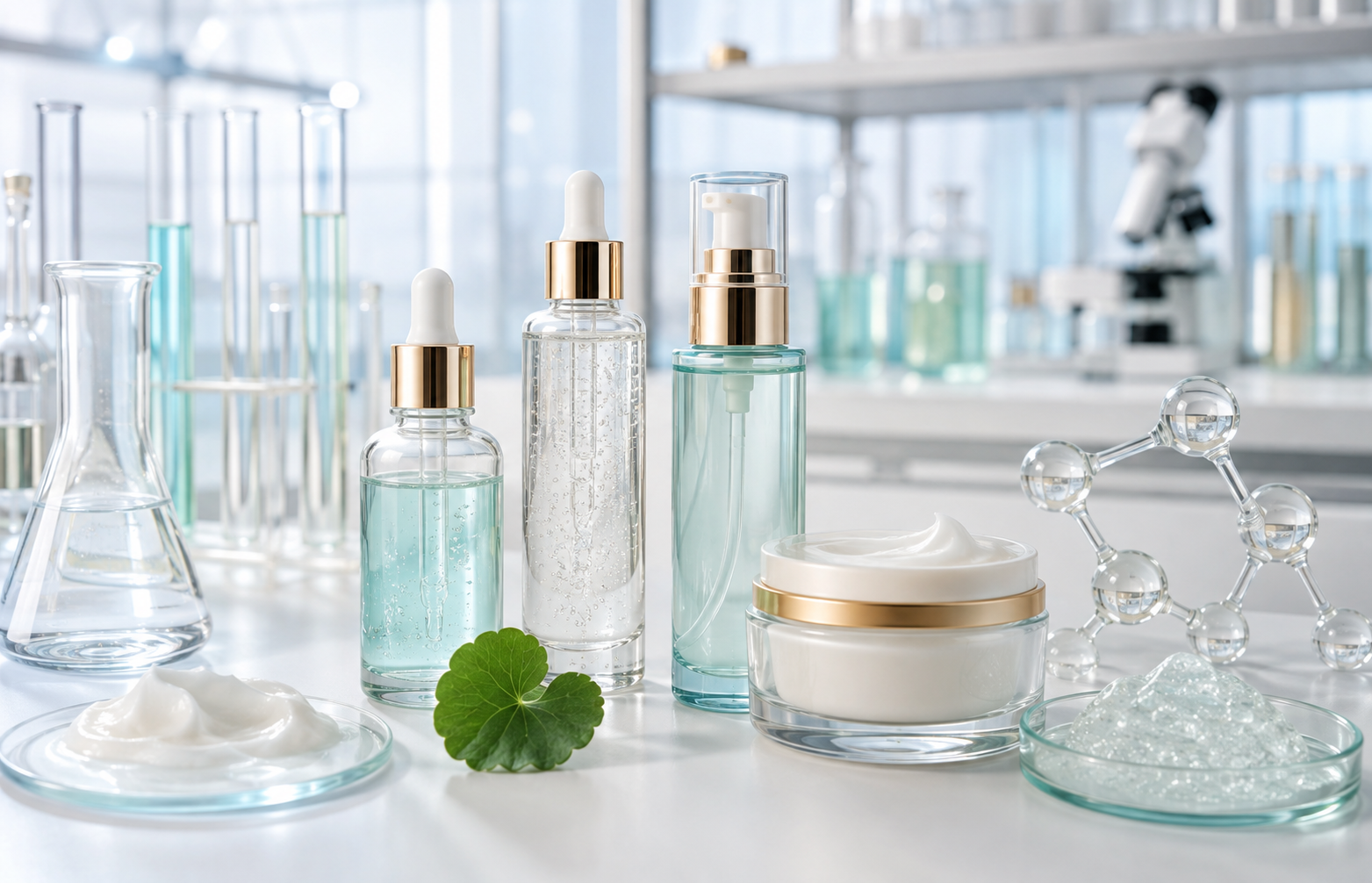
Choosing the right manufacturing partner can shape product quality, launch speed and customer trust. In 2026, brands should look beyond a low unit price and compare how well each factory can support the target market, sales channel and product promise.
OEM or ODM: what does your brand need?
OEM is usually a better fit when the brand already owns a formula or detailed product specification and mainly needs reliable manufacturing. ODM adds formulation development, sampling and often packaging or regulatory support, which can help a new brand move from concept to market with a smaller internal team.
Start with the customer and sales channel
A manufacturer should understand how the product will be sold, because channel strategy changes the product brief.
Social and live commerce need an easy-to-demonstrate benefit, strong visual texture and the ability to replenish quickly.
Traditional e-commerce needs stable quality, clear differentiation, reliable documentation and packaging that survives fulfilment.
DTC, private-community and professional channels can support more targeted formulas, routines and education-led products.
Seven checks before choosing a partner
1. Target-market compliance and quality systems
Ask which markets the factory regularly supports and what documents it can provide. ISO 22716 gives guidance for cosmetic production, control, storage and shipment. For the United States, brands should also clarify support for applicable MoCRA obligations. For the EU, confirm who will manage the Responsible Person, safety assessment, Product Information File and CPNP notification.
2. Formulation capability, not just a formula catalogue
A capable R&D team should translate a consumer problem into a realistic formula, sensory profile and claim direction. Ask how ingredients work together, what can be customized and how the formula will remain stable in the selected packaging.
3. Testing and documentation
Before launch, agree on the testing plan and deliverables. Depending on the formula and market, this may include stability, packaging compatibility, microbiological or preservative testing, safety support, specifications and batch records. The brand should know which tests are included, which cost extra and who owns the reports.
4. MOQ and a realistic scale-up path
A low MOQ is useful only if the supplier can maintain quality and pricing as orders grow. Compare the MOQ for formula, filling, packaging and decoration separately, then ask about repeat-order quantities and production capacity.
5. Packaging compatibility and sourcing
Packaging is part of product performance. Check whether the factory evaluates pumps, droppers, jars and tubes with the actual formula. Also confirm decoration options, component lead times, spare quantities and who is responsible if packaging fails.
6. Development timeline and change control
Request a stage-by-stage schedule covering briefing, samples, testing, artwork, packaging, pilot production and bulk production. A good partner records approvals and explains how formula or component changes may affect cost, claims and launch timing.
7. Ownership, communication and after-sales support
Clarify formula ownership, exclusivity, confidentiality, artwork responsibility and access to technical files before paying a deposit. Fast replies are helpful, but accurate written answers, clear escalation and traceable decisions matter more over the life of a product.
Warning signs to take seriously
Promises of instant launch without a clear testing or documentation plan.
Vague answers about ingredient levels, formula changes or claim support.
A quotation that hides packaging, testing, decoration or freight costs.
No clear process for quality complaints, batch traceability or corrective action.
Final recommendation
Shortlist two or three manufacturers and give each one the same written brief. Compare sample quality, documentation, communication and total launch cost - not unit price alone. The best skincare OEM/ODM manufacturer is the one that can turn a clear brand position into a repeatable, compliant and commercially practical product.